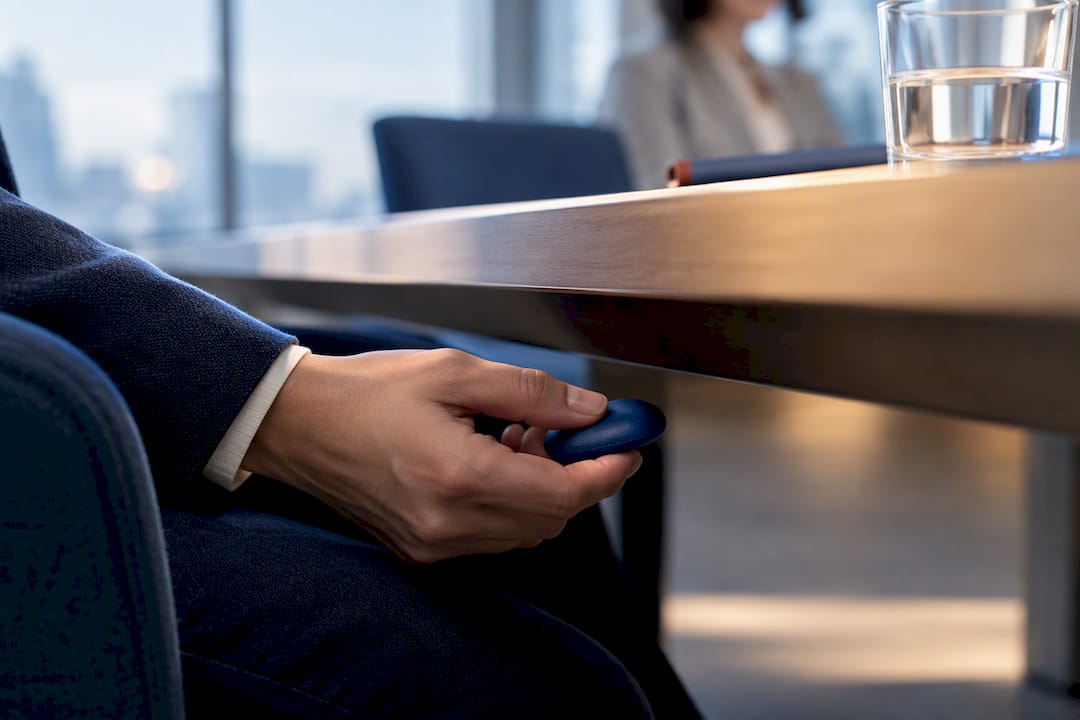
For discreet, workplace-friendly relief, start with a silent tactile roller or a soft squeeze ball. Reach for a multi-action cube when you want variety at your desk, and consider a wrist-worn haptic device if you need something that no one can see at all. Try one option for a week and judge it by how well you focus, not just how good it feels.
TL;DR:
- Quiet tactile tools like sliders and magnetic rings are ideal for meetings and shared workspaces, as they produce minimal noise and are discreet.
- Squeeze balls are effective for private stress relief and can help reduce anxiety by providing firm, calming pressure when held.
- Testing a single fidget type for a week and tracking focus or calmness will help identify the most effective option for your needs.
- Shared fidgets require regular cleaning with disinfectant wipes, and damaged items should be replaced to prevent hygiene issues.
- Wearable haptic devices are promising for discreet stimulation during tasks that require hands to stay free, but their long-term benefits are still under study.
Table of Contents
- Best sensory fidgets for adults
- How to choose the right sensory fidget for your needs
- Using fidgets at work: etiquette, placement, and discreet strategies
- What the research says about fidgets, attention, and anxiety
- Safety, limits, and when to seek professional help
- Benefits and drawbacks beyond anxiety and ADHD
- Care and maintenance tips for adult sensory fidgets
- MindPanda perspective: why we curate these types of fidgets
- Where to buy: MindPanda product categories to try first
- Sources
- FAQ
Best sensory fidgets for adults
Adults generally do better with quieter, smaller, less flashy fidgets than the ones marketed to kids, mostly because offices and shared spaces punish noise and visibility. The categories below cover most of what works, along with where each one tends to shine.
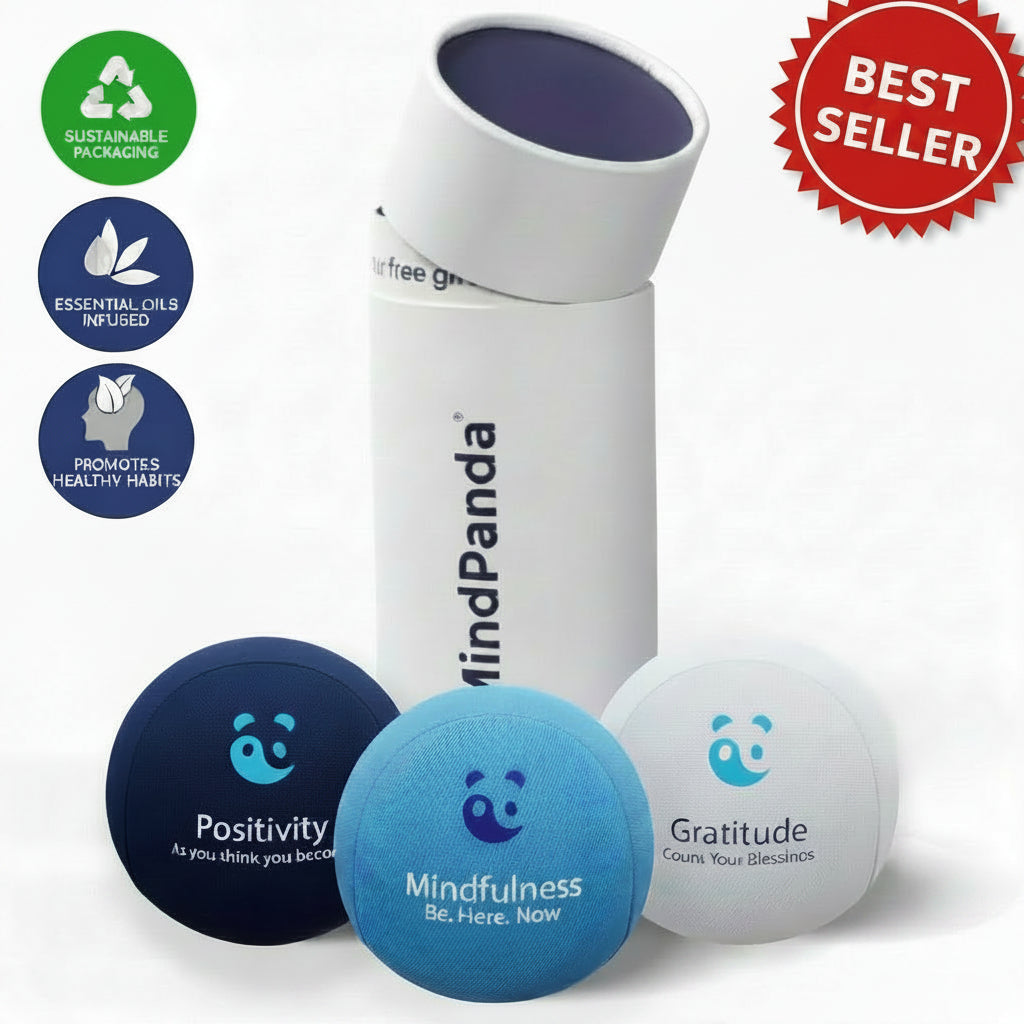
Squeeze tools give you firm, even pressure, which is often the most calming input for high-arousal anxiety. A stress ball, a squishy shaped like something fun, or a therapy putty all fall into this group. They’re quiet, cheap, and easy to hide in a desk drawer, though shared versions need regular cleaning since they pick up hand oil and dust fast. MindPanda’s own stress ball assortments sit squarely in this category, often built around a scent or theme meant to make the squeeze feel less like a coping tool and more like a small ritual. If you want a side-by-side look at how squeeze tools compare to other formats, this comparison of fidget toys and stress balls breaks down the tradeoffs.
Silent tactile tools are the safest bet for meetings. Sliders, magnetic rings, and smooth rollers give you repetitive texture or motion without a single click or snap. They fit in a pocket, work under a table, and rarely draw a glance from the person next to you. If your job involves a lot of video calls or in-person meetings, this category should be your default.
Multi-action fidgets, the cubes and gadgets with several buttons, switches, and textures built into one object, offer variety when a single sensation stops working. The tradeoff is that some of them click loudly enough to bother the room, so test any multi-action tool at home before bringing it into a shared workspace. They also carry a small risk of becoming a toy rather than a tool: if you find yourself exploring every button instead of listening in the meeting, it’s working against you.
Desk and visual fidgets, things like liquid timers, kinetic sand trays, or slow-moving desktop sculptures, don’t require touch at all. They’re useful when you want a break for your eyes and attention without picking anything up, and they’re generally the least disruptive option in an open office because there’s no motion in your hands to catch a coworker’s eye.
Wearables and haptic devices sit apart from handheld fidgets. Instead of something you manipulate, they deliver a vibration or pulse against your wrist, which means zero visible movement and no object to misplace. They’re worth considering if you want stimulation during a task where your hands need to stay free, like typing or driving.
- Squeeze tools: best for private stress relief and quick resets between tasks.
- Silent tactile tools: best for meetings, shared desks, and quiet offices.
- Multi-action fidgets: best at your own desk when you want variety, but test the noise first.
- Desk and visual fidgets: best when you want a break without touching anything.
- Wearables: best when your hands need to stay free.
How to choose the right sensory fidget for your needs
Picking a fidget works better as a short experiment than a guess. Start by identifying what you actually want the object to do for you, then run a real test before committing.
- Name the sensation you’re after: firm pressure for anxiety, texture for restlessness, motion for boredom, or a visual break when touch alone doesn’t help.
- Check the noise level and how visible it is in the setting where you’ll use it most, whether that’s an open office, a shared desk, or video calls.
- Look at the materials: silicone and medical-grade plastic clean easily, while fabric and foam trap odor and are harder to sanitize in a shared workspace.
- Run a one-week test with a simple measure: did you finish tasks with fewer interruptions, and did you feel calmer without your output dropping? A quick stress ball routine is an easy starting point if you’re testing a squeeze tool.
- Watch for stop signs: if you’re fidgeting more than you’re working, if coworkers mention the noise, or if you feel more scattered by day three, drop it and try a different category.
Pro Tip: Keep a one-line note each afternoon rating your focus from one to five. After a week, the pattern tells you more than your memory will.
Using fidgets at work: etiquette, placement, and discreet strategies
The line between a helpful habit and an office distraction is mostly about noise and visibility, not the object itself.
- In meetings, stick to silent tactile tools or a small squeeze ball kept below the table.
- Avoid anything with a click, snap, or spin that makes sound, even a quiet one, since it carries further than you think in a silent room.
- Keep a fidget in a desk drawer or pocket rather than on top of your desk if you’d rather not explain it to every visitor.
- On video calls, a wearable or a squeeze ball held out of frame works better than anything you’d need to set down and pick up.
- During a commute or while standing in line, a pocket-sized slider or ring is easiest to manage one-handed.
If you think a fidget should be a documented accommodation rather than a personal habit, a short, factual note to a manager or HR, describing the tool and why it helps you focus, is usually enough. You don’t need to disclose a diagnosis to ask for that flexibility.
Pro Tip: If you’re nervous about how a fidget will look in a meeting, test it alone at your desk first and ask a coworker you trust whether they’d even notice it across a table.
What the research says about fidgets, attention, and anxiety
The evidence on fidgeting is real but limited, and it doesn’t support blanket claims. A 2024 study of adults with ADHD found that fidgeting increased during correct trials and tracked with how variable reaction times were, which suggests fidgeting may help some adults sustain attention. The authors were careful to note this shouldn’t be generalized to everyone or every type of fidget.
A separate physiological study on pupil response found that hand and leg fidgeting raised pupil-linked arousal during auditory tasks without any measurable drop in performance, and hand fidgeting produced a bigger arousal effect than leg movement. That’s a useful data point for anyone worried that fidgeting will pull focus away from the task at hand: in this setting, it didn’t.
Fidgeting can raise physiological arousal and engagement without measurably hurting task performance, at least in controlled settings with young, healthy adults.
Wearable haptic devices are the newest and least settled category. An 8-week trial of a wrist-worn device in young adults with ADHD found reductions in anxiety and improvements in focus over time, though the results weren’t clearly better than a comparator schedule, meaning the finding is promising but not conclusive.
None of this replaces clinical care. The CDC’s guidance on ADHD in adults is clear that medication, therapy, and behavioral treatment, with ongoing monitoring, are the evidence-based approach; fidgets are a supportive tool alongside that care, not a substitute for it.
Safety, limits, and when to seek professional help
Shared fidgets need the same hygiene attention as any object that passes between hands all day. Wipe silicone and hard plastic tools with a disinfectant wipe regularly, and retire anything cracked, sticky, or visibly worn, since damaged material is harder to clean and can irritate skin.
Fidgets are a coping aid, not a treatment. If anxiety or attention problems are getting in the way of work, relationships, or daily tasks despite consistent use of coping tools, that’s a signal to talk to a doctor or therapist rather than trying another gadget.
A short checklist:
- Clean shared fidgets daily; personal ones weekly.
- Replace anything cracked, sticky, or frayed.
- Choose non-toxic, allergy-friendly materials such as medical-grade silicone if you have sensitive skin.
- Seek a professional assessment if symptoms persist or worsen despite consistent use of coping strategies.
Benefits and drawbacks beyond anxiety and ADHD
Fidgets show up most often in conversations about anxiety and attention, but the actual benefits and drawbacks are broader than that. On the upside, a lot of adults use them simply to stay present during long calls, to burn off restless energy without leaving their seat, or to create a small sensory reset between demanding tasks. The physical action of squeezing or sliding something can also double as a brief mindfulness cue, a moment where your attention comes back to your hands and away from a spiraling thought.
The drawbacks are just as real. A fidget that’s too interesting can turn into a distraction rather than a tool, especially multi-action gadgets with several features to explore. Some people also lean on a fidget as a crutch for boredom rather than genuine stress, which isn’t harmful but isn’t the same benefit either. And a fidget that draws attention in a shared space can create social friction that outweighs whatever calm it provides. The honest takeaway is that fidgets are a low-cost, low-risk experiment worth running, but they work best when paired with actual mindfulness practice rather than as a replacement for it. A few simple mindfulness activities for adults pair naturally with a fidget habit for exactly this reason.

Care and maintenance tips for adult sensory fidgets
A fidget you use daily accumulates hand oil, sweat, dust, and in a shared office, other people’s germs, so a little upkeep goes a long way. Silicone stress balls and hard plastic tools can be wiped down with a disinfectant wipe or washed with mild soap and water, then air-dried fully before returning to a drawer. Fabric or foam-covered fidgets are harder to clean thoroughly, so they’re better suited to solo use than shared desks.
Check squeeze tools periodically for tiny cracks or tears, since a compromised surface is both harder to sanitize and more likely to leak filling. Magnetic rings and sliders rarely need more than an occasional wipe, but check moving parts for grit that could cause sticking. Store fidgets somewhere they won’t collect dust between uses, like a closed drawer rather than an open desk tray. Replace anything that’s visibly degraded rather than trying to extend its life past the point it can be properly cleaned.
MindPanda perspective: why we curate these types of fidgets
Stress ball and mindfulness collections are often built around qualities adults care about: quiet, tactile quality, and something that looks good enough to leave on a desk. Eco-friendly packaging and a design-first approach run through many products, and squeeze tools are often paired with journals because the two habits reinforce each other. A reader testing a new fidget deserves an honest, no-pressure process, which is the same standard we hold this article to.
— Ravi
Where to buy: MindPanda product categories to try first
If you’re ready to test a squeeze tool, our Stress Balls collection is the simplest place to start, with themed and aromatherapy options that add a scent cue to the pressure relief. Pair one with a Journals & Planners pick if you want to track your one-week test alongside a daily reflection habit.
- Start small: one stress ball, one week, one honest check-in on focus and calm.
- Add a journal or planner if you want to track the results alongside your notes.
- Need a batch for a team or office? Our corporate gifting and bulk order options cover workplace-friendly sets at scale.
Sources
Peer-reviewed studies on fidgeting and arousal, a wearable haptic trial, and CDC guidance on adult ADHD.
FAQ
What are some good sensory fidgets for adults?
Silent tactile tools like sliders, magnetic rings, and rollers work well for most adults because they’re quiet and easy to hide in a pocket or under a desk. Squeeze balls are another strong option for private stress relief, especially when firm pressure feels calming.
What is the best fidget device for adults?
There’s no single best device since it depends on the setting and the sensation you want, but silent tactile tools tend to work best for shared spaces and meetings. A physiological study found hand fidgeting raised arousal more than leg fidgeting without hurting task performance, which supports handheld options over movement-based ones.
What are the best fidget toys for adults with anxiety?
Squeeze tools that deliver firm, even pressure are often the most calming choice for anxiety, since proprioceptive input tends to settle high arousal states. A 2024 adult-ADHD study also found fidgeting correlated with attention support for some adults, though the authors caution against assuming it works the same way for everyone.
What are some good fidget gadgets for adults?
Multi-action cubes and gadgets work well at a personal desk when you want variety, but they can click or snap loudly enough to disrupt shared spaces, so test them at home first. Wearable haptic devices are a quieter alternative worth considering if your hands need to stay free during a task.