Eco-friendly packaging is packaging designed and sourced to minimize environmental impact across its full life cycle, from raw material extraction through disposal or reuse, evaluated using methods like life-cycle assessment (LCA) rather than a single feel-good claim. The FTC’s Green Guides exist precisely because that word “eco-friendly” gets stretched to cover things that don’t hold up under scrutiny. If you only take one thing from this article, take this:
- Reduction and reuse beat substitution almost every time. Swapping plastic for a “greener” material matters less than simply using less material in the first place.
Read on if you want the material breakdown, the certifications worth trusting, and a real transition plan.
Key Takeaways
Eco-friendly packaging works best when businesses prioritize reduction and reuse first, verify claims against FTC and ASTM standards, and match materials to real local disposal infrastructure.
| Point | Details |
|---|---|
| Reduce before you substitute | Right-sizing a box cuts material and shipping cost with no supplier negotiation needed. |
| Match material to disposal access | Compostable plastics like PLA need industrial composting facilities, not backyard bins. |
| Verify before you print a claim | The FTC requires recyclable claims to reflect real consumer access to recycling facilities. |
| Recycled corrugated is the low-risk first step | It’s widely recyclable in the US and often comes with little or no price premium. |
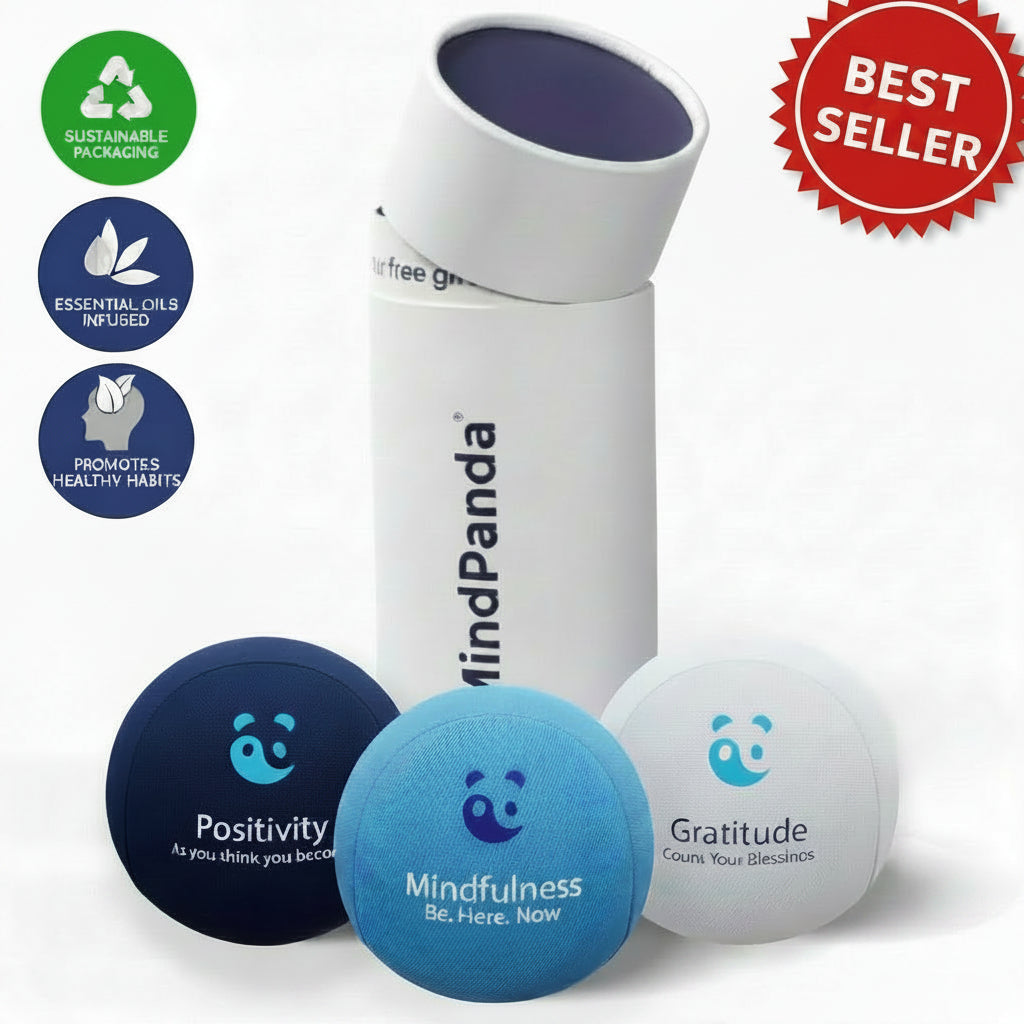
| Mindpanda leads with recycled corrugated | Its shipping boxes pair recycled material with plain-language disposal instructions. |
Table of Contents
- What Sustainable Packaging Means in Practice
- Materials and Types: What Happens at the End of Life
- Do Sustainable Packaging Choices Actually Pay Off?
- Which Certifications and Claims Actually Mean Something
- How to Transition to Sustainable Packaging Solutions
- What Does Sustainable Packaging Cost?
- Where Eco-Friendly Packaging Claims Go Wrong
- A Real Example: Choosing Packaging for Mindful Products
- The One Move That Matters Most
- See How Mindpanda Approaches Packaging Firsthand
- Where to Learn More About Sustainable Packaging
- Sources
What Sustainable Packaging Means in Practice
“Eco-friendly” is a marketing word, not a technical standard, and that’s exactly why it gets abused. A box printed with a green leaf tells you nothing about what happened during manufacturing, transport, or disposal. That’s where life-cycle assessment comes in: LCA, formalized under ISO 14040 and 14044, measures environmental impact across every stage a package touches, not just the material it’s made from.
This matters because intuition about “green” materials is often wrong. A thin recycled-plastic mailer can sometimes carry a lower overall footprint than a heavier paper box once you factor in transport weight and material sourcing, according to research the EPA draws on for its sustainable packaging guidance.
The EPA frames this through the waste hierarchy, and it’s worth memorizing the order:
- Reduce — use less material and right-size boxes before anything else.
- Reuse — design packaging that can serve a second life.
- Recycle or compost — recover material only after the first two options are exhausted.
Most companies skip straight to step three, hunting for a “sustainable material” to swap in. That’s backward. A smaller box beats a compostable one nine times out of ten.
Materials and Types: What Happens at the End of Life
Picking a material means picking a disposal path, and the two decisions can’t be separated. Here’s what actually happens to common eco-friendly packaging options once a customer is done with them.
- Recycled corrugated cardboard. Made with post-consumer recycled (PCR) content, this is the default choice for shipping boxes because curbside recycling infrastructure for cardboard is nearly universal in the US. It’s also usually the cheapest sustainable swap you can make.
- Compostable bioplastics (PLA). Polylactic acid looks and feels like plastic but is made from plant starch. The catch: most PLA only breaks down in an industrial composting facility, certified under ASTM D6400, which requires roughly 180 days at controlled heat and humidity. Toss it in a backyard compost bin or a regular trash bin, and it behaves like plastic that never degrades.
- Molded pulp. Egg cartons are the classic example, but molded pulp made from recycled paper or agricultural fiber (wheat straw, sugarcane bagasse) now shows up as protective inserts for electronics and fragile goods. It’s compostable in home systems, unlike PLA, and recyclable where pulp streams exist.
- Mono-material packaging. Mixing plastic film with paper labels or foil linings makes a package unrecyclable because sorting facilities can’t separate the layers. Mono-material design, one polymer or one fiber type throughout, keeps the package sortable.
- Lightweighting and ink choices. Reducing material thickness and switching to soy or water-based inks (instead of petroleum-based) both cut impact without changing the base material at all.
The right choice depends on what you’re protecting and where your customers live, not on which material sounds greenest on a spec sheet.
Do Sustainable Packaging Choices Actually Pay Off?
The environmental case is fairly direct: less material means less waste, and materials produced from recycled inputs generally require less virgin resource extraction. The EPA’s data on containers and packaging shows this category makes up a large share of municipal solid waste, which is exactly why the packaging decision carries more weight than most businesses assume.
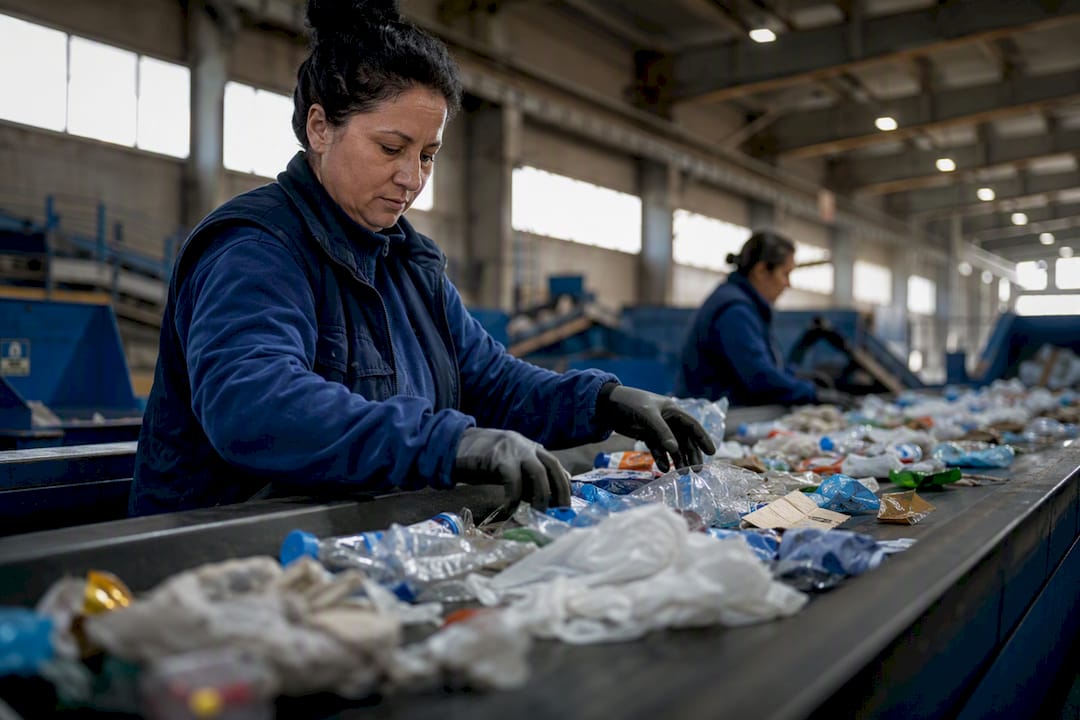
Sustainability claim substantiation isn’t optional under FTC rules. The FTC’s Green Guides state that a recyclable claim is generally considered non-deceptive only when a substantial majority of consumers actually have access to facilities that can process that material. That single line quietly invalidates a lot of packaging currently marketed as “recyclable.”
On the business side, the payoff shows up in three places:
- Customer perception. Shoppers increasingly notice packaging, and unboxing has become part of the product experience itself, not an afterthought.
- Brand trust. Getting the claims right, and being able to back them up, builds credibility that sloppy “eco” marketing destroys the moment a customer checks.
- Cost efficiency over time. Right-sized boxes cost less to ship and often cost less to buy in the first place.
None of this is free of trade-offs, though. Producing recycled paper can be energy-intensive. Compostable materials sometimes weigh more than the plastic they replace, which raises shipping emissions. And a compostable liner mixed into a load of recyclable cardboard can contaminate an entire recycling batch, turning a well-intentioned choice into a net negative for the whole shipment.
Which Certifications and Claims Actually Mean Something
Certifications exist because “sustainable” isn’t self-verifying. Some marks are backed by rigorous testing; others are closer to a logo a supplier paid to slap on a box. Knowing the difference protects your business from a greenwashing complaint and protects your customers from being misled.
- FTC Green Guides. Not a certification, but the federal standard for what environmental marketing claims can legally say, and the first thing your legal or marketing team should check before printing a claim on a box.
- ASTM D6400. The US benchmark for compostable plastics, verifying that a material breaks down in an industrial composting facility within a defined timeframe.
- EN 13432. The European equivalent standard for compostable packaging, commonly referenced by international suppliers.
- FSC (Forest Stewardship Council). Certifies that paper and wood-fiber packaging comes from responsibly managed forests, backed by a chain-of-custody trail you can request from suppliers.
- How2Recycle. A labeling system that tells consumers specifically how to dispose of a package rather than relying on a vague “recyclable” claim.
Here’s the trap: a certification can be completely legitimate and still misleading in context. A compostable mailer certified to ASTM D6400 is truthful, and useless, if your customers live in a city with no industrial composting access. Certification proves the material can perform. Local infrastructure decides whether it will.
How to Transition to Sustainable Packaging Solutions
Most businesses overcomplicate this. You don’t need a full sustainability department to make meaningful changes; you need a sequence.
- Map your baseline. A simple packaging audit, box sizes, material types, order volumes, tells you more than a formal LCA at this stage. Know what you’re actually shipping before you try to fix it.
- Right-size first. Cutting a box from oversized to snug reduces material, cuts dimensional shipping weight, and needs zero supplier negotiation. This is almost always the highest-return move available.
- Switch to recycled-content board or mono-materials. Once sizing is fixed, move to recycled corrugated or a single-polymer mailer, whichever fits your product’s protection needs.
- Pilot before you commit. Test the new packaging against real shipping conditions, drop tests, humidity, return rates, before rolling it out across your full catalog. A beautiful compostable mailer that lets products arrive damaged solves nothing.
- Verify end-of-life access. Before printing “compostable” or “recyclable,” confirm your customer base actually has the facilities to process it. If you ship nationally, a How2Recycle label with clear instructions beats a blanket claim.
- Update your artwork. Add disposal instructions and any earned certification logos directly on the package, where the customer will actually see them at the moment of decision.
Pro Tip: Start your pilot with your highest-volume SKU, not your most fragile one. The learning curve on sourcing, testing, and supplier communication is the same either way, but a high-volume product gives you data faster and a bigger return on the effort.
A practical resource on first steps for small and mid-sized brands covers similar ground if you want a second framework to compare against your own audit.
What Does Sustainable Packaging Cost?
Cost is usually the first objection, and it’s a fair one. Market estimates gathered by industry packaging guides put sustainable packaging premiums anywhere from low single digits to the mid-teens percent over conventional options, depending heavily on format and material. That’s a wide range, and it should be, because the honest answer is “it depends on what you’re comparing.”
Recycled corrugated is the exception worth knowing: switching from virgin cardboard to a high-PCR-content box frequently comes with little or no price premium at all, since recycled fiber is already a mainstream commodity in US paper markets. Compostable films and specialty molded pulp inserts tend to carry the steepest premiums, particularly at low order volumes.
Where the savings show up over time:
- Lighter packaging lowers shipping costs, sometimes enough to offset a material premium within a few months.
- Fewer damaged shipments mean fewer returns and replacements.
- Bulk procurement on a smaller, consolidated set of SKUs brings unit costs down faster than ordering many custom box sizes in small batches.
If budget is tight, consolidate your packaging SKUs first and negotiate minimum order quantities on your highest-volume format before chasing a premium material everywhere else.
Where Eco-Friendly Packaging Claims Go Wrong
The gap between what a package promises and what actually happens is where most greenwashing complaints originate, and where well-meaning businesses accidentally mislead their own customers.
- “Compostable” without industrial access is a broken promise. If your customer has no municipal or commercial composting program, that PLA clamshell is going straight to a landfill, where it behaves almost identically to plastic.
- Paper isn’t automatically better than plastic. A heavier paper package can require more energy to produce and more fuel to ship than a lightweight recycled-plastic equivalent, depending on the product and distance involved.
- Not every “recycled” claim has documentation behind it. Ask suppliers for chain-of-custody records or third-party verification before repeating a recycled-content percentage on your own packaging. If they can’t produce it, don’t print it.
A Real Example: Choosing Packaging for Mindful Products
Mindpanda ships items meant to reduce stress, so shipping them in packaging that generates guilt felt like a contradiction worth solving early. The approach leaned on recycled corrugated for shipping boxes, paired with clear, plain-language disposal notes rather than vague green iconography.
The goal wasn’t to claim perfection. It was to make sure a customer unboxing a stress ball or journal never had to wonder what to do with the box it came in. Clarity, more than any logo, is what actually changes behavior at the trash can.
That small shift, printing instructions instead of just a recycling triangle, cut customer questions about disposal and reinforced the calm, intentional feel the products themselves are supposed to deliver.
The One Move That Matters Most
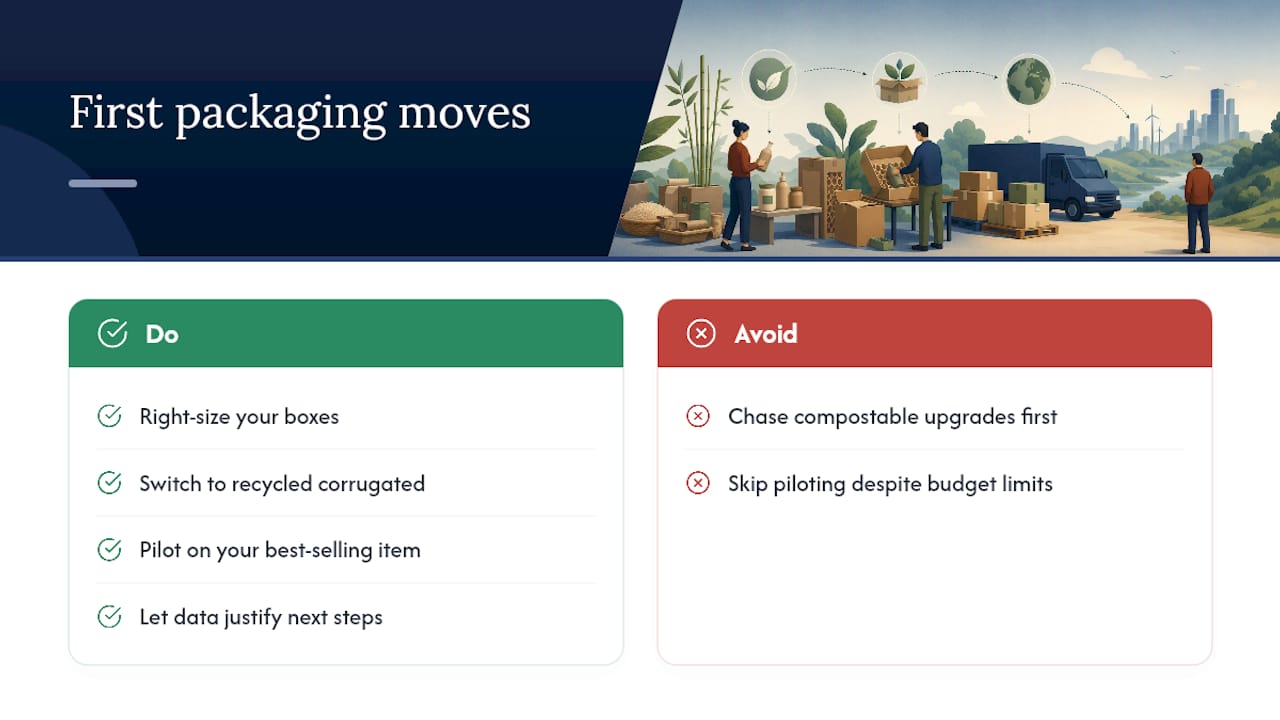
If you’re a small business staring down a dozen possible packaging changes, right-sizing your boxes and switching to recycled corrugated will do more good than any compostable upgrade you’re tempted to chase first. Budget constraints are real, so pilot on your best-selling item and let the data justify the next step.
See How Mindpanda Approaches Packaging Firsthand
Mindpanda’s shipping boxes use recycled corrugated by default, the same low-risk, high-impact material choice this article recommends businesses prioritize before anything fancier. There are other packaging routes companies chase first, compostable films, specialty inserts, but starting with what’s already widely recyclable and inexpensive is the move that actually reduces waste without adding cost or confusion for the customer.
If you want to see that thinking applied to an actual product, the Mindfulness Wellbeing Bundle ships in exactly this kind of packaging, paired with clear disposal labeling rather than vague green branding. Prefer to build your own set of stress-relief tools and journals? You can create your own wellbeing bundle and see the same packaging approach applied to whatever you choose. Either page is a good next step if you want to see the materials in hand rather than just read about them.
Where to Learn More About Sustainable Packaging
- EPA — Sustainable packaging: the federal framework behind the waste hierarchy.
- FTC Green Guides: the legal standard for environmental marketing claims.
- Sustainable Packaging Coalition definition: a systems-level view of what “sustainable” should mean.
- EPA containers and packaging data: waste-stream figures for packaging materials.
Sources
- FTC — Environmental claims: Summary of the Green Guides
- EPA — Sustainable packaging
- Sustainable Packaging Coalition — Definition of Sustainable Packaging (landscape document)
- EPA — Facts and figures about materials, waste and recycling: containers and packaging product-specific data