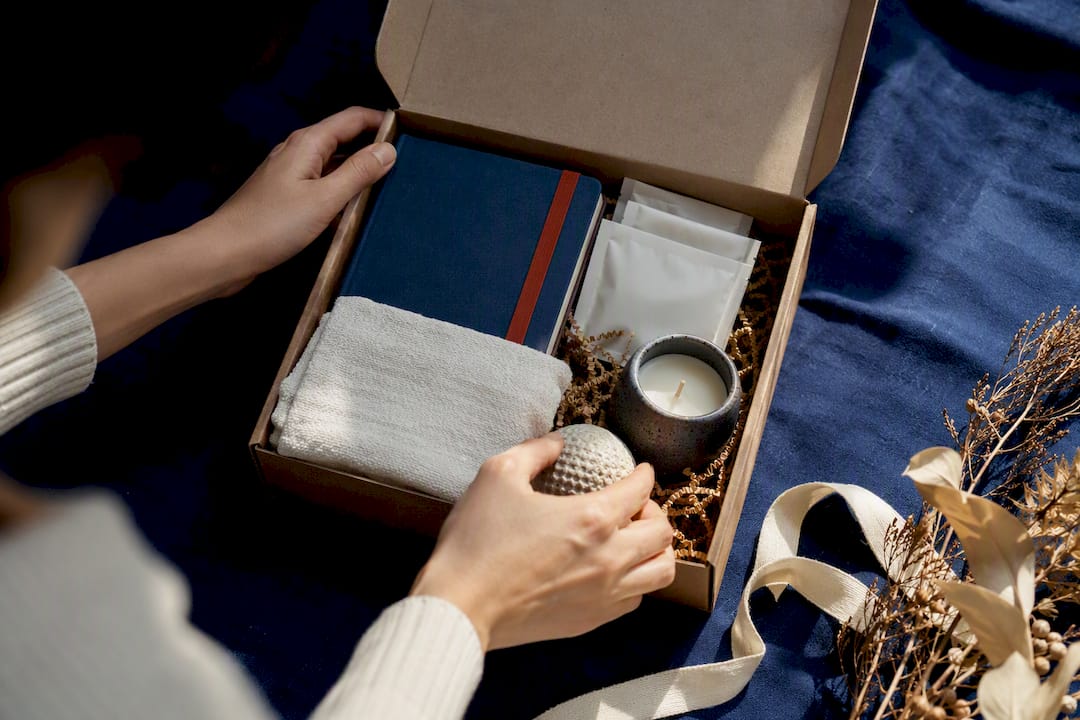
A wellness box is a small, theme-focused kit of several self-care items chosen to help someone slow down and reset. The fastest way to build one: pick a single theme, choose a handful of items that support it, and add a short handwritten note. That’s it. Personalization beats price every time, so a $25 kit assembled with real thought will land harder than a $75 grab-bag with no direction.
TL;DR:
- Building a wellness box around a single theme ensures a curated experience, with 4 to 6 items that balance sensory, comforting, and practical needs.
- Packaging with reusable containers and thoughtful fillers enhances perceived value and encourages sustainability, adding to the gift’s lasting appeal.
- Budgeting typically involves pairing one mid-range or premium item with smaller supporting pieces, tailored to a total cost between $30 and $70 for quality and impact.
- Avoid including items that need refrigeration or could leak during transit by wrapping fragile products separately and checking expiration dates.
- Pre-made bundles offer a convenient alternative for those short on time, combining balanced sets of self-care items with minimal effort.
Table of Contents
- Top Wellness Box Themes and Who Each One Fits
- How to Build a Wellness Box in Four Steps
- Item Ideas by Theme (30+ Ready-to-Use Options)
- Packaging and Presentation That Feels Elevated
- Where to Source Items and What to Budget
- How Mindpanda Approaches Mindful Wellness Bundles
- A Short Note on Gifting With Intention
- Ready-Made Bundles If You’d Rather Skip the Shopping
- Sources
Top Wellness Box Themes and Who Each One Fits
Committing to one theme is what keeps a wellness box from feeling like a pile of random drugstore finds. Lifestyle guides that catalog self-care basket ideas consistently group items around a handful of proven directions, and each one solves a different problem.
- Spa night: candles, bath soak, face mask. Best for anyone who wants to shut the world out for an hour.
- Sleep support: silk eye mask, herbal tea, pillow spray. Best for restless sleepers and chronic scrollers.
- Mindfulness and journaling: pocket journal, guided prompt cards, a good pen. Best for reflective types who process things on paper.
- Healthy snack box: nut mixes, herbal teas. Best for the food-forward friend who treats a good snack as self-care.
- Fitness recovery: foam roller, protein snack, cooling gel. Best for the person who trains hard and never stretches.
- Digital detox: puzzle book, herbal tea, screen-free prompts. Best for someone visibly burned out on their phone.
- New-parent or caregiver kit: soothing balm, quick snacks, calming tea. Best for the exhausted person who forgot they’re allowed self-care too.
How to Build a Wellness Box in Four Steps
Skip the theme and you’ll end up with a box of things that don’t talk to each other. A step-by-step approach to DIY wellness gift sets works because it forces intent before purchase.
- Identify the need, then pick one theme. Is this person overtired, overworked, or just going through it? Let that answer choose spa night versus digital detox, not your own preferences.
- Balance categories and cap it at 4 to 6 items. Mix something sensory (scent, texture), something comforting, something ritual-based (a card, a prompt), and one practical object. More than six items starts to feel cluttered instead of curated.
- Personalize it. A note referencing something specific to them, a small customization, or a one-line instruction card (“light this candle, no phone for 20 minutes”) turns a bundle into a gift.
- Check packaging before you seal it. Cushion anything glass, keep food items sealed and within their shelf life, and confirm nothing melts or leaks in transit.
Pro Tip: Budget by pairing one mid-priced anchor item with two or three smaller, thoughtful add-ons, or one premium item with three budget fillers. Either combination reads as generous without blowing your budget on six mediocre things.
Item Ideas by Theme (30+ Ready-to-Use Options)
Here’s a working idea bank organized by theme, so you can pull four to six items and move straight to checkout.
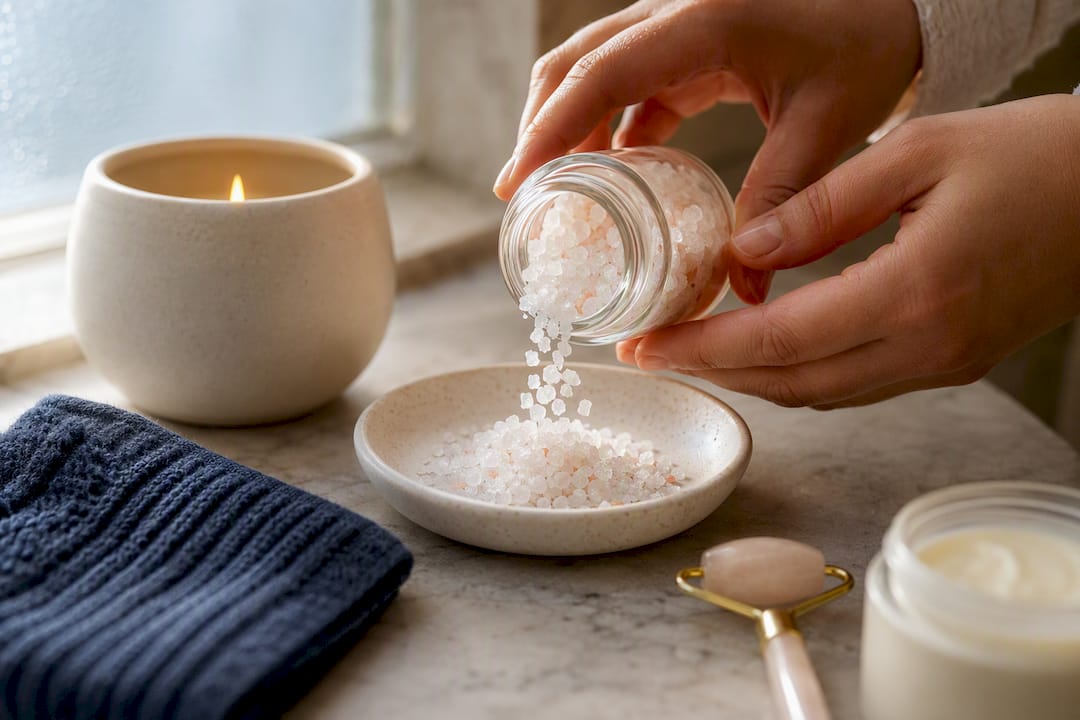
Spa night A soy candle, a hydrating sheet mask, mineral bath salts, a jade or rose quartz facial roller, a small body butter, and a soft face towel cover the sensory bases without duplicating effort.
Sleep support A silk sleep mask, a lavender pillow spray, chamomile tea sachets, a weighted eye pillow, a short bedtime journal, and a second pillow mist (unscented, for anyone sensitive to lavender) round this one out. If the recipient is cutting back on wine before bed, a calming, non-alcoholic pour from a resource like The Functional Sip’s alcohol alternatives roundup fits the same evening ritual.
Mindfulness and journaling A guided pocket journal, a deck of gratitude prompt cards, a nice pen, a simple mindfulness card deck, a gift card loaded for a meditation app, and a couple of grounding stones give a reflective person plenty to work with over weeks, not just one sitting.
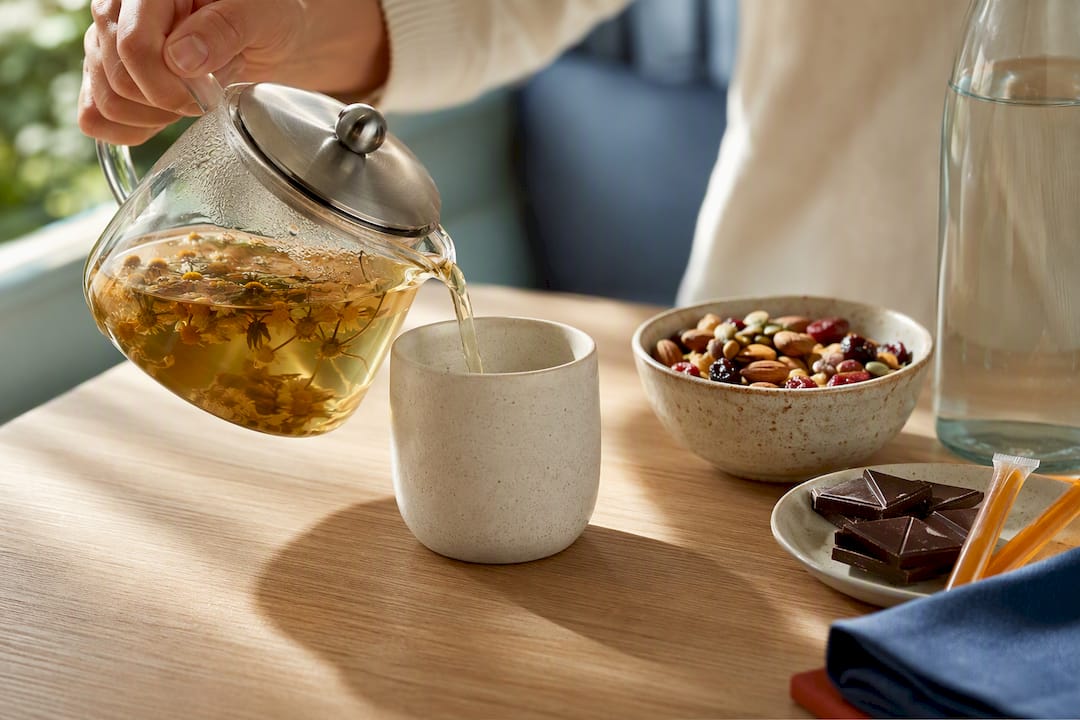
Healthy snacks and beverages Gourmet tea sachets, a small bag of trail mix, single-serving dark chocolate portions, a travel-size nut butter, a bottle of mineral water, and honey sticks make an easy, food-forward kit that doesn’t need refrigeration.
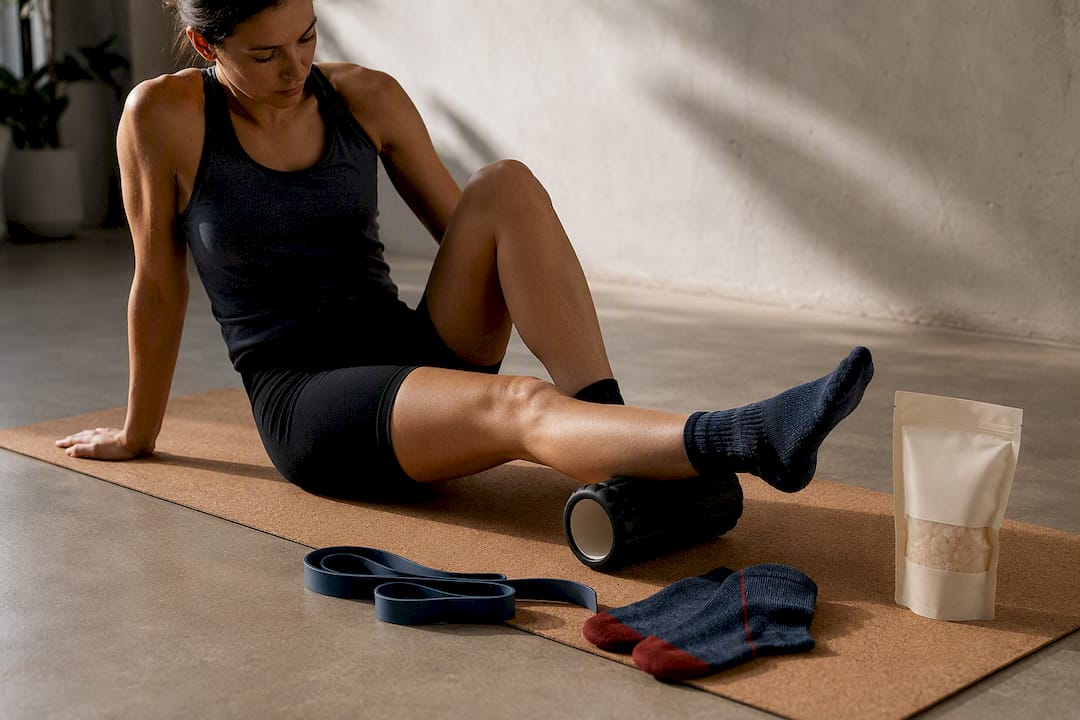
Fitness and recovery A mini foam roller, a resistance band, a cooling gel patch, a reusable water bottle, a pair of recovery socks, and a sample-size magnesium bath flake pack support the kind of post-workout recovery that moderate regular exercise already helps with when it comes to lowering stress and lifting mood.
Digital detox and creative A puzzle book, a set of colored pencils, analog activity cards, a loose-leaf herbal tea, and a printed “screen-free for one hour” challenge card give someone permission to unplug without lecturing them about it.
New-parent or caregiver kit Quick-grab snack bars, a calming hand or lip balm, a soothing tea blend, a pair of genuinely comfortable socks, and a short set of guided breathing cards acknowledge that caregivers rarely get a moment to sit down. Guidance on preventing caregiver burnout backs up why small, low-effort rituals matter more than big gestures for this group.
Packaging and Presentation That Feels Elevated
Presentation is where a wellness box earns its “wow,” and it costs almost nothing extra to get right.
- Pick a reusable tin, woven basket, or sturdy box that matches the theme, since a container the recipient keeps using adds value long after the items are gone.
- Place larger items toward the back and smaller, prettier ones up front so the first glance sells the whole box.
- Use shredded paper, tissue, or fabric scraps as filler instead of plastic, which keeps the unboxing experience consistent with a wellness message.
- Add a simple handwritten label and, if any item contains nuts, fragrance, or common allergens, a one-line note flagging it.
| Element | What to use | Why it works |
|---|---|---|
| Container | Reusable tin, basket, or fabric box | Keeps sustainability in the actual object, not just the packing |
| Filler | Shredded paper, tissue, fabric scraps | Avoids single-use plastic and adds texture |
| Label/note | Handwritten tag or card | Signals personalization at a glance |
Where to Source Items and What to Budget
You don’t need a specialty store to pull this together. Local craft markets and small-batch makers give you unique, often handmade items; direct brand sites and marketplaces like Etsy fill in the gaps fast; and big-box retailers cover basics like tea, snacks, or containers. For bulk sourcing on corporate or group gifting, wholesale suppliers and fulfillment partners handle volume better than one-off shopping trips.
- Under $30: three to four smaller items, one modest anchor piece (a candle or a journal).
- $30 to $70: a mid-priced anchor item plus three or four supporting pieces.
- $70 and up: one premium item (a quality robe, a nicer diffuser) paired with several thoughtful smaller extras.
- For food or fragile items, avoid anything that needs refrigeration, wrap glass separately, and check expiration dates before sealing the box.
How Mindpanda Approaches Mindful Wellness Bundles
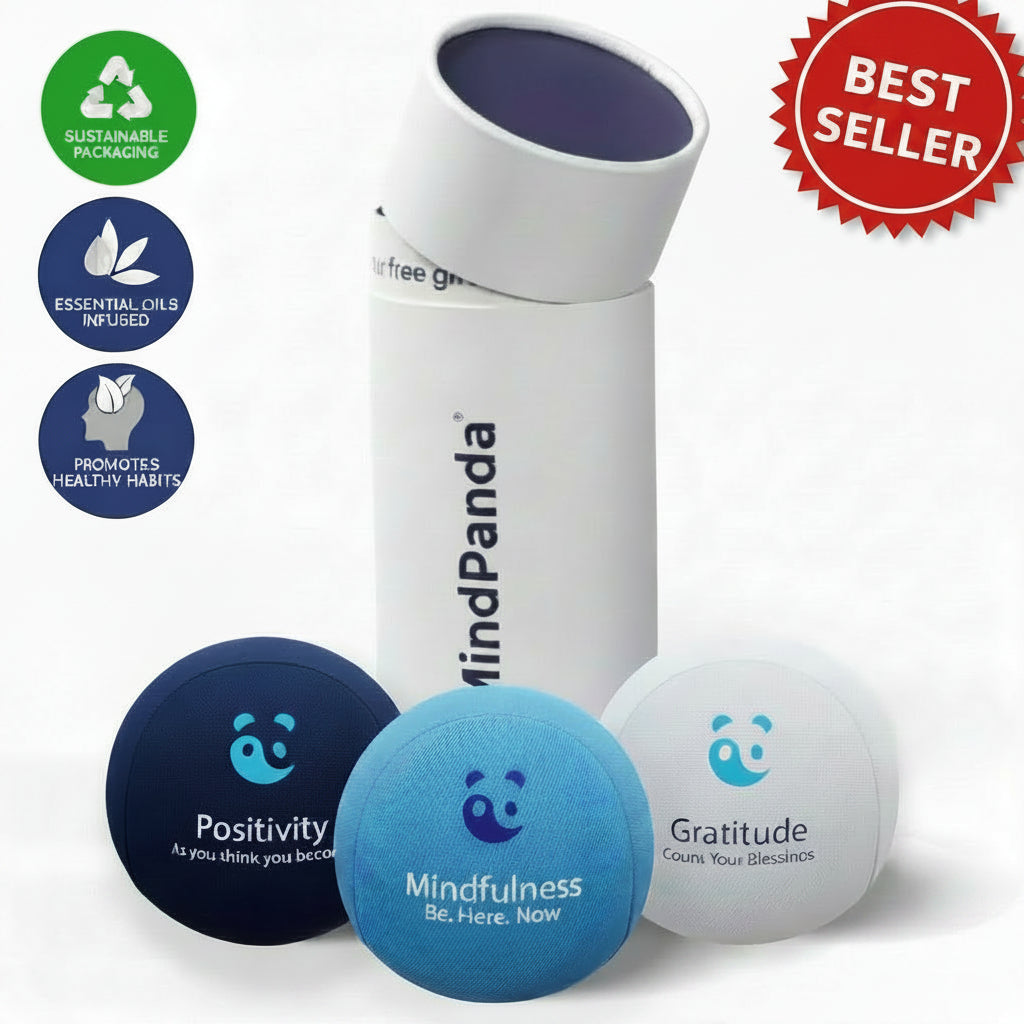
Bundles can be built around the same logic covered here: pick a mindfulness-first anchor, then round it out with a scented item, a tactile tool, and a consumable, with packaging chosen for sustainability over flash. For readers who want a working example before assembling their own, Mindpanda’s guide to building a self-care box walks through the same reasoning in more depth.
A Short Note on Gifting With Intention
The best wellness boxes aren’t the most expensive ones. They’re the ones that give someone permission to stop for twenty minutes without guilt. Chase that feeling over the fanciest item on the shelf, and lean on sustainable packaging when you can. It costs you nothing extra and it says something true about the gift itself.
— Ravi
Ready-Made Bundles If You’d Rather Skip the Shopping
If four separate purchase decisions sounds like more effort than you have time for this week, Mindpanda’s premade bundles solve the exact problem this guide just walked through, minus the sourcing. The Mindfulness Wellbeing Bundle pairs a journal, a tactile stress-relief tool, and a calming scented item in one already-balanced set, and the Create Your Own Wellbeing Bundle page lets you swap pieces in and out if you want the convenience of a ready-made kit with some room for personalization.
DIY makes sense when you have the time and want full creative control over every item. A ready-made or semi-custom bundle makes more sense when you’re short on time, buying for several people at once, or just want a box that’s already thought through. Either way, start with the Create Your Own Wellbeing Bundle page and build from there, or browse Mindpanda to see the full bundle lineup before you decide.
Sources
- Exercise and stress: Get moving to manage stress - Mayo Clinic
- 10 self-care basket ideas — Krista Horton