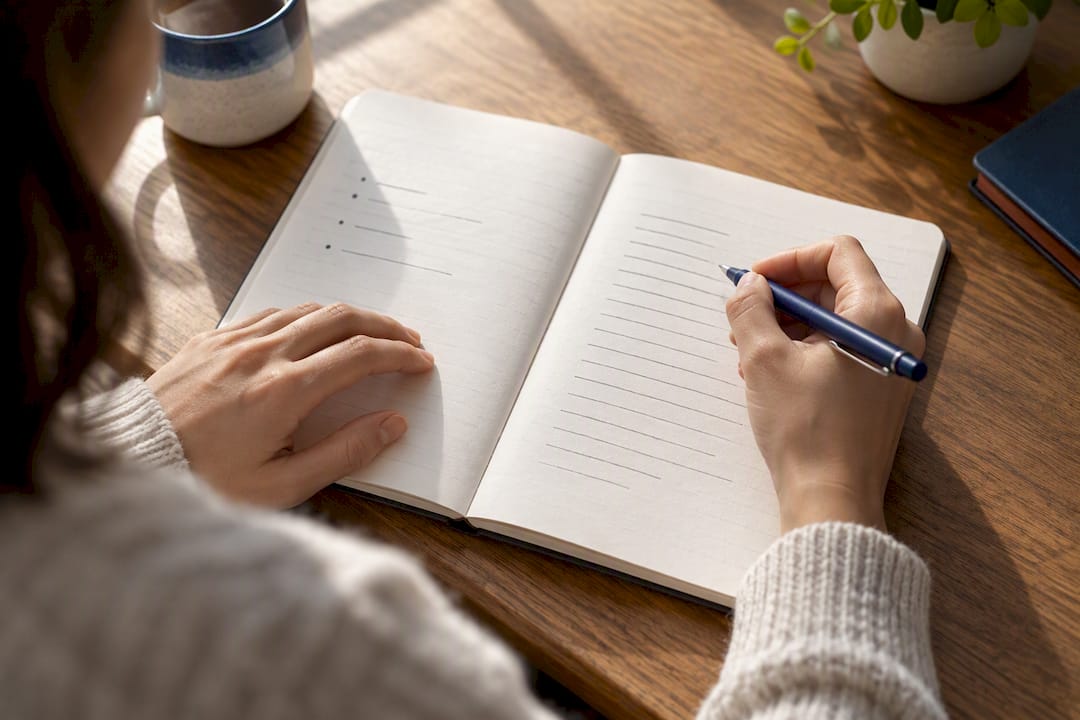
A diary records what happened to you; a gratitude journal records what you appreciate about it. If your goal is memory and a factual timeline, a diary suits you better. If your goal is mood, sleep, or a calmer outlook, a gratitude journal has more research behind it, and a hybrid of both often works best for people who want both structure and feeling.
TL;DR:
- Gratitude interventions produce small but reliable improvements in well-being, especially when combined with other reflective practices or focused on positive emotions.
- Short daily gratitude lists of three items and brief diary entries of two to five minutes are effective for mood regulation and habit formation.
- Journaling is not a substitute for therapy, and red flags like persistent low mood or intrusive thoughts should prompt professional support.
- A hybrid method that combines daily diary entries with occasional gratitude lists and weekly reflections enhances benefits without overburdening the user.
- Starting small and consistent, such as a three-item gratitude list and a brief diary note, increases the likelihood of maintaining the habit long-term.
Table of Contents
- What we mean by diary, journal, and gratitude journal
- What the research actually shows about gratitude writing
- Where each format actually helps, and where it falls short
- How to decide which one fits your goals
- Starter routines and prompts to remove the guesswork
- A hybrid method that borrows the best of both
- My take: start smaller than you think you need to
- A low-friction way to start the habit
- Sources
- FAQ
What we mean by diary, journal, and gratitude journal
These three words get used loosely, and that causes most of the confusion. A diary is a chronological record of events, written mostly to document what happened, such as appointments, conversations, or daily activities. A journal is the broader term, an umbrella covering any regular practice of writing about your inner life, whether that’s processing emotions, tracking habits, or working through a problem. A gratitude journal is a specific type of journal focused on noticing and writing down things you’re thankful for, often in short daily entries.
The formats also differ in typical rhythm. Diary entries tend to run longer, sometimes a full page, because they’re trying to capture a sequence of events. Gratitude journal entries are usually shorter, often just three items jotted down in under five minutes, since the goal is a quick shift in attention rather than a complete record. Some people keep both in the same notebook, splitting a page between a brief account of the day and a short gratitude list at the bottom.

None of this is a strict rulebook. A diary can include feelings, a gratitude journal can include a sentence of context about why something mattered, and a general journal might rotate between modes depending on the day. What matters more than the label is the intent behind the entry: are you recording, or are you reflecting?
What the research actually shows about gratitude writing
The evidence for gratitude journaling is real but modest, and it’s worth being precise about the size of the effect rather than overselling it.
A large 2025 meta-analysis across 24,804 participants in 28 countries found gratitude interventions produce a small but consistent increase in well-being (Hedges’ g of 0.19), a number that puts gratitude practice solidly in the category of “helps a little, reliably” rather than “life-changing.” The same body of research points to a few conditions that make the effect stronger:
- Gratitude interventions tend to work better when the outcome measured is positive affect rather than a broader life-satisfaction score.
- Combining gratitude writing with other reflective practices, rather than using it alone, tends to produce a larger benefit.
- Randomized trial designs report more consistent effects than looser, self-selected study formats, according to the same meta-analytic findings.
On the anxiety side, a systematic review of 64 randomized clinical trials found gratitude interventions were linked to roughly a 7.76% lower score on the GAD-7 anxiety scale compared with control groups. That review also found gratitude practices show up in accessible, low-cost formats: diaries, letters, conversations, and social sharing all counted as valid delivery methods, which is part of why the practice travels so easily into daily life.
The broader expressive-writing literature that gratitude journaling grew out of tells a similar story with a twist. A study on acceptance-enhanced expressive writing found that benefits depend heavily on engagement: people who wrote longer, more involved entries, especially under instructions that encouraged accepting difficult emotions rather than avoiding them, showed stronger improvements in depressive symptoms. Writing on autopilot, filling in a rote template, does less.
None of this makes gratitude journaling a treatment. The effect sizes are small, they vary by person and method, and none of the cited research positions journaling as a replacement for therapy or medical care when anxiety or depression is significant. It’s a low-cost habit with modest, real benefits, not a clinical intervention.
Where each format actually helps, and where it falls short
Gratitude journals and diaries solve different problems, and knowing which problem you have makes the choice easier.
Gratitude journals are best suited to mood regulation and quick daily habits. A short list of three specific things you’re thankful for takes under five minutes and, per the research above, is associated with modest gains in positive affect and reduced anxiety symptoms over time. People also report better sleep when a gratitude practice replaces late-night rumination, though this is more anecdotal than it is a headline finding in the cited studies.

Diaries are better for memory and pattern recognition. If you want to track how your mood shifted over a stressful quarter, remember what a doctor said at an appointment, or notice that your energy always dips on Sundays, a factual daily record does that job better than a gratitude list ever could. Diaries also serve as an emotional processing tool in the Pennebaker expressive-writing tradition, where writing about a difficult experience for 15 to 20 minutes over several consecutive days has been linked to mental-health benefits, particularly when the writing digs into the emotional weight of the event rather than just listing facts.
For deeper processing, such as working through a traumatic or highly stressful period, expressive writing needs more than a quick list. Engagement matters more here than format: a rushed, guarded entry helps less than one that actually sits with what happened.
- Performative gratitude is a real risk: forcing a positive spin on a bad day, rather than sitting with what’s true, tends to feel hollow and can undermine the habit entirely.
- Diaries can tip into rumination if every entry rehashes the same complaint without a shift toward reflection or action.
Pro Tip: If a diary entry turns into venting, close it with one sentence on what you learned or what you’ll try next, so the entry ends on movement rather than staying stuck.
How to decide which one fits your goals
You don’t need a personality test to pick a format. A few direct questions get you most of the way there.
- What’s your main goal? If you want to feel calmer day to day, start with a gratitude journal. If you want a record you can look back on, start with a diary.
- How much time do you realistically have? A gratitude list takes under five minutes; a diary entry that actually helps with processing often needs 15 to 20 minutes, several days a week.
- Are you emotionally ready to sit with difficult material? If you’re dealing with something heavy, a structured gratitude prompt can feel like an easier entry point than an open diary page, but check the red flags below first.
Beyond those three questions, a simple flow works: identify your goal, then check whether the habit is actually sustainable on your schedule, then do a quick safety check. If daily emotional writing brings up material that feels too big to handle alone, that’s a signal to loop in a therapist or counselor rather than trying to write your way through it solo. Journaling, gratitude or otherwise, is a self-help tool, not a substitute for treatment when symptoms are significant.
Red flags worth taking seriously include persistent low mood that doesn’t shift with any home-based practice, intrusive thoughts that escalate rather than settle after writing, or avoidance of the practice altogether because it feels unsafe to sit with your own thoughts. Any of those point toward professional support, not a new notebook.
Starter routines and prompts to remove the guesswork
The easiest way to build either habit is to make the first attempt small enough that skipping it feels harder than doing it.
For a diary habit, aim for a 2 to 5 minute entry each evening: what happened, how you felt about it, one detail worth remembering. For a gratitude journal, three items is enough, specific rather than generic (“the coworker who covered my shift” beats “my job”). Add one longer weekly session, 20 to 30 minutes, where you reread the week’s entries and look for patterns.
A handful of prompts to start with:
- Gratitude: What made you smile today, even briefly?
- Gratitude: Who did something small for you this week that you haven’t thanked them for?
- Gratitude: What’s something about your body or health you’re not giving credit to?
- Gratitude: What part of your daily routine would you miss if it disappeared?
- Gratitude: What’s a mistake that taught you something useful?
- Diary: What’s the one thing that took up the most mental space today?
- Diary: Who did you talk to, and what stuck with you from that conversation?
- Diary: What’s a decision you made today, and why?
- Diary: What surprised you today?
- Diary: What do you want to remember about this week a year from now?
Pro Tip: Pair the habit with something you already do daily, brushing your teeth or making morning coffee, so the journal becomes part of an existing routine instead of a new decision every day. Our gratitude journal prompts guide has more starter lines if these run out, and a morning routine template works well if mornings suit you better than evenings.
A hybrid method that borrows the best of both
Most people don’t need to pick one format forever. A practical hybrid looks like this: start with a short diary-style entry to build the daily habit, since documenting what happened is an easier entry point than pure reflection. Once that sticks, add two gratitude items to the bottom of the same entry. Then schedule one weekly session, 20 to 30 minutes, to reread the week and reflect more deeply.
This approach lines up with the research pattern above: combining gratitude writing with other reflective practices tends to produce a stronger benefit than either alone.
- Our journal prompts for anxiety pairs journaling with anxiety-focused techniques for readers managing that specifically.
- A mood journal guide covers the diary-style tracking side of the hybrid in more depth.
- Keep the tool simple: a guided prompt structure, a compact physical notebook, and a consistent time of day matter more than any particular brand of journal.
My take: start smaller than you think you need to
The biggest mistake I see is people trying to write a perfect, reflective entry every night and quitting within a week. A three-item gratitude list and a two-sentence diary note, done daily, beats an ambitious journaling practice done twice before it’s abandoned. Try it for one week: three gratitude items, one short diary line, same time each day, and see what you notice.
— Ravi
A low-friction way to start the habit
Picking up a pen and a blank page is free, but a lot of people stick with the habit longer when the format is already built for it. MindPanda’s Journals & Planners line includes options laid out for daily reflection, so you’re not designing your own template from scratch.
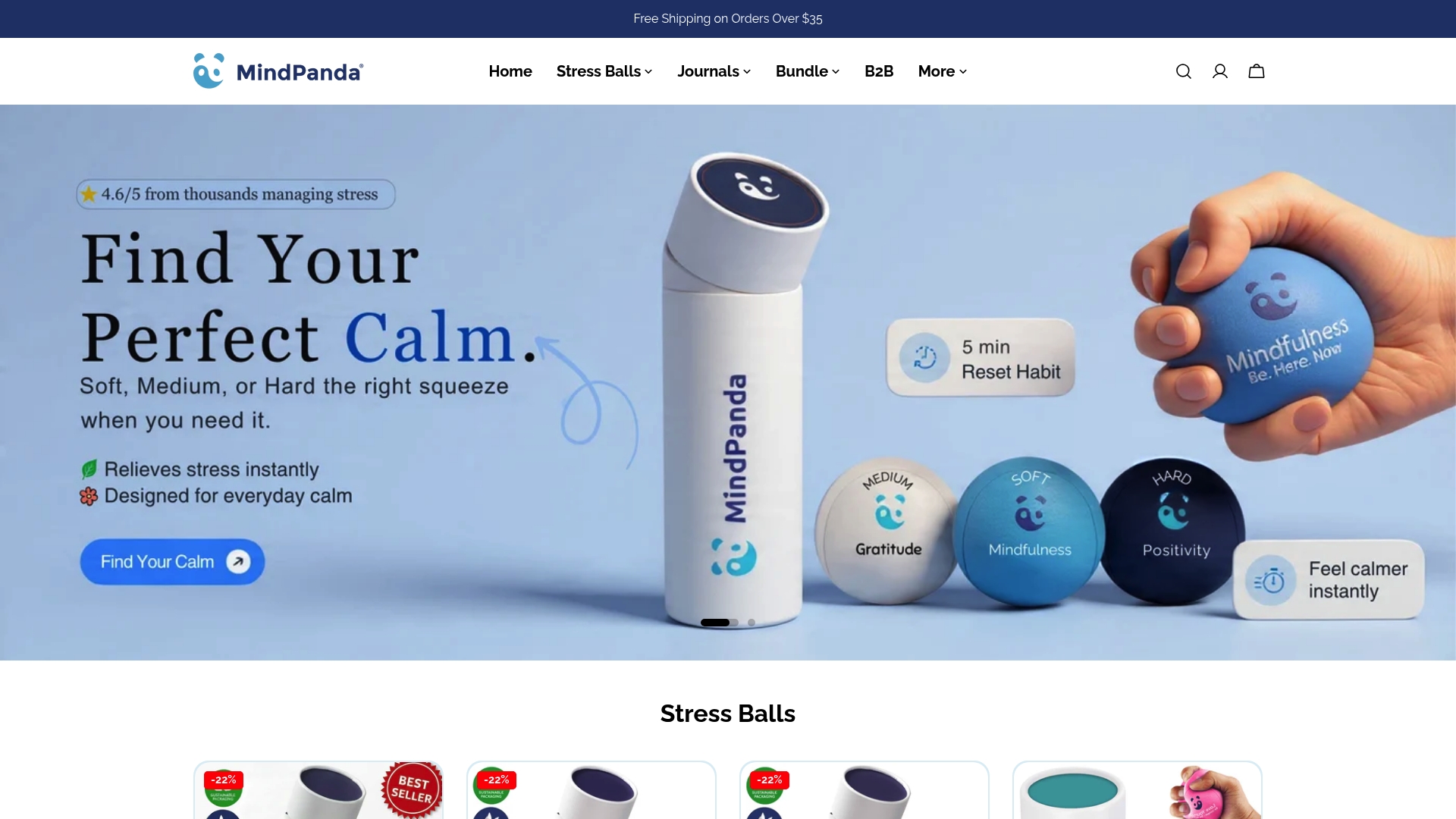
- A dedicated gratitude journal gives you the daily three-item structure without extra decisions.
- A combined journal and planner works if you want the hybrid method in one notebook.
- Eco-friendly packaging may be part of the design if that matters to you.
If you’d rather set up a stress-relief bundle alongside a journal, our stress balls collection pairs well with a wind-down journaling routine. Browse the journals and planners page to find a format that fits your routine.
Sources
- A meta-analysis of the effectiveness of gratitude interventions on well-being across cultures (2025)
- Systematic review on gratitude interventions (2023)
- Acceptance-enhanced expressive writing study (PMC10300201)
- Does gratitude writing improve the mental health of psychotherapy clients? (related expressive writing RCT)
FAQ
Do gratitude journals actually work?
Research shows gratitude journaling produces a small but consistent improvement in well-being, with a meta-analysis of 24,804 participants finding an effect size of 0.19 on the Hedges’ g scale. A separate review of 64 randomized trials also linked gratitude practices to lower anxiety scores. The effect is real but modest, not a cure for significant mental-health conditions.
What are the three types of journaling?
Definitions vary across sources, but a common breakdown separates diary-style journaling (chronological event recording), reflective or expressive journaling (processing emotions and experiences), and gratitude journaling (focused appreciation practice). Many people blend these rather than sticking to just one.
What is the difference between a journal and a diary?
A diary is a chronological record of what happened, usually written daily and focused on events and facts. A journal is the broader term for any regular writing practice about your inner life, which can include reflection, gratitude, or problem-solving rather than just documentation.
When should I do a gratitude journal?
Most people do it once a day, often in the morning to set a tone or in the evening to close out the day, since entries only take a few minutes. Consistency matters more than timing, so pick whichever slot you can actually stick with.